The common perception of the elderly
is that they become weak and fragile due to age induced muscle wasting.
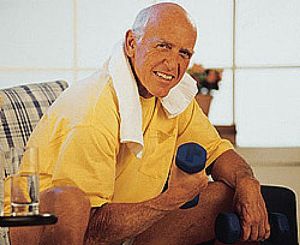
It has been shown that resistance training can enhance muscle mass and function even in 90 year old subjects, and is the most effective way to maintain the quality of life as we age.

Training Program:
Benefits of Strength Training:
It has been shown that resistance training can enhance muscle mass and function even in 90 year old subjects, and is the most effective way to maintain the quality of life as we age.
Anyone who has reviewed the literature
on aging and exercise realizes that a tremendous amount of research has been
conducted in this area and has shown that resistance training can be safely
performed by the elderly if done correctly.
Precautions:
- Make sure you pre-test and/or screen your subjects prior to starting your training.
- Anyone over the age of 40 should go through a health screening before they initiate any exercise program to insure their safety and to identify any possible limitations (risks) they may have to exercise.
- Depending on your initial fitness level, a slow approach is advised, especially if you have little or no lifting experience.
Training Program:
- Should include Warm up (10 min), Strength Training (30 min) & Cool Down (15 min)
- Lifting Stations, Lifting Circuit, and Rest Periods: Use a full body routine that exercises all the major muscles and alternates between the upper and lower body. Use 2 minutes of rest between stations.
- Periodization Plan: Modify the workload & exercise intensity as it will reduce boredom & will keep your interest going.
Benefits of Strength Training:
- Arthritis Relief: A recently completed study found that strength training decreased pain by 43%, increased muscle strength and general physical performance, improved the clinical signs and symptoms of the disease, and decreased disability, in osteoarthritic seniors. Strength training has shown to reduce the pain of osteoarthritis at an equal or higher level than medications.
- Improved Glucose Control: Type II Diabetes is very common in elderly all over the globe. In addition to being at greater risk for heart and renal disease, diabetes is also the leading cause of blindness in older adults. Fortunately, studies now show that lifestyle changes such as strength training have a profound impact on helping older adults manage their diabetes. In a recent study, 16 weeks of strength training produced dramatic improvements in glucose control that are comparable to taking diabetes medication.
- Healthy Heart: Strength training is important for cardiac health because heart disease risk is lower when the body is leaner. American Heart Association to recommends strength training as a way to reduce risk of heart disease and as a therapy for patients in cardiac rehabilitation programs.
- Restoration of Balance and Reduction of Falls: Strengthening exercises, when done properly and through the full range of motion, increase a person's flexibility and balance, which decrease the likelihood and severity of falls.
- Strengthening of Bone: Post-menopausal women can lose 1-2% of their bone mass annually. Results from a study, showed that strength training increases bone density and reduces the risk for fractures among women aged 50-70.
- Weight Control: Strength training is crucial to weight control, because individuals who have more muscle mass have a higher metabolic rate. Muscle tissue consumes calories while stored fat uses very little energy. Strength training can provide up to a 15% increase in metabolic rate, which is enormously helpful for weight loss and long-term weight control.
- Healthy State of Mind: Strength training provides similar improvements in depression as anti-depressant medications. When older adults participate in strength training programs, their self-confidence and self-esteem improve, which has a strong impact on their overall quality of life.
- Sleep Improvement: People who exercise regularly enjoy improved sleep quality. They fall asleep more quickly, sleep more deeply, awaken less often, and sleep longer. As with depression, the sleep benefits obtained as a result of strength training are comparable to treatment with medication but without the side effects or the expense.

The bottom line is that they are training for life and will need to continue this training for as long as they are able.
Also check out: Exercise Benefits in Senior Citizens
If you are presently are enjoying the benefits of strength training, we would love to hear from you!
DISCLAIMER: Consult your doctor before trying out Strength Training.
Also check out: Exercise Benefits in Senior Citizens
If you are presently are enjoying the benefits of strength training, we would love to hear from you!
DISCLAIMER: Consult your doctor before trying out Strength Training.


